

If you pay attention to professional sports in the U.S., you have probably heard of platelet-rich plasma (PRP) therapy. Pro athletes routinely opt for PRP injections over more invasive procedures for dealing with injuries. The thing is that researchers are learning more about PRP therapy every day. And they are finding new uses for it, including a new technique for restoring vocal function.
A recent post published on the Independent (UK) website tells the story of a 45-year-old British man whose vocal cords were damaged when he was just nine months old. For his entire life, he struggled to do things most of us take for granted: singing, shouting, and even reading stories aloud. But he recently underwent it PRP procedure at London’s Guy’s Hospital, a procedure that changed everything.
The patient is just one of ten treated at the hospital thus far. Amazingly, all ten have reported vocal improvements. Their vocal cords are healing, allowing them to enjoy the benefits of a strong and confident voice.
Anecdotal Evidence Tells the Story
Turning to PRP therapy to treat soft tissue injuries and diseases is not new. It has been going on for decades. Historically, it has gotten little attention due to the fact that regenerative procedures utilizing autologous biological material do not require years of testing or FDA approval. Doctors can simply perform regenerative procedures as long as they stay within current federal guidelines.
One of the unfortunate realities of this scenario is a lack of clinical testing demonstrating PRP’s effectiveness. We have had to rely mainly on anecdotal evidence to support PRP and other regenerative procedures. But that is not necessarily a bad thing.
Even if one accepts that anecdotal evidence isn’t as trustworthy as its clinical counterpart, it is clear that the anecdotal evidence in support of PRP therapy is overwhelming. Let us go back to professional athletes. They get paid to compete. Being sidelined by an injury jeopardizes their livelihoods. They will do whatever is necessary to get back on the field or court.
Athletes would not invest the time and effort PRP requires if there were no payoff. But there is a payoff, which is why PRP therapy is alive and well in pro sports.
What It Is and What It Does
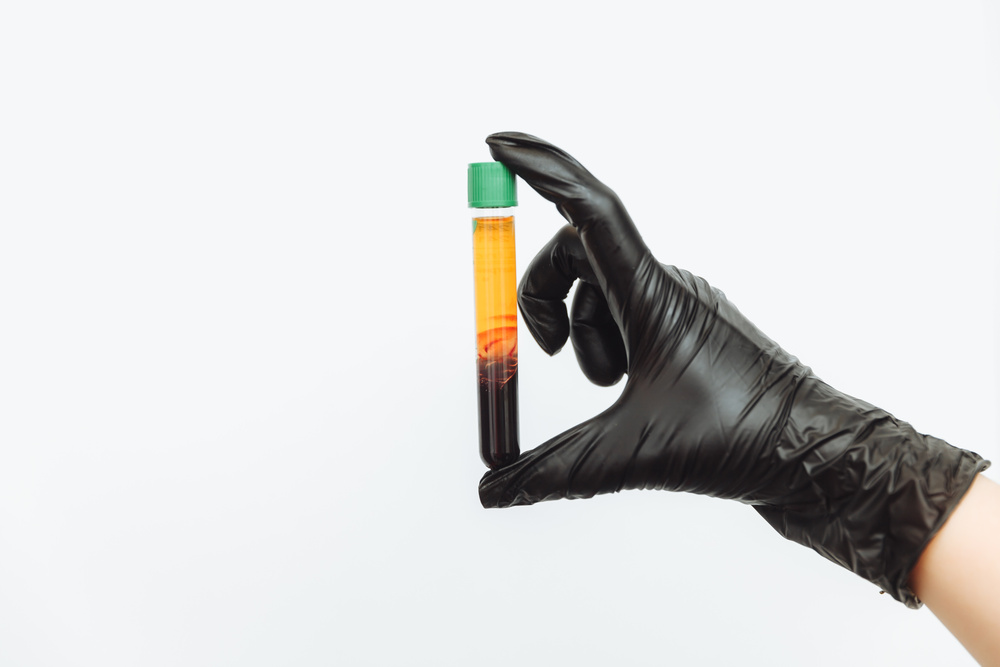
So what is PRP therapy, and what does it do? The experts at Lone Star Pain Medicine in Weatherford, TX explain that PRP therapy revolves around injecting patient-provided blood plasma into the site of injury or disease. The plasma has been processed in a centrifuge to isolate its platelets and growth factors.
Both platelets and growth factors are necessary components for natural healing. The theory is that injecting PRP jump-starts the healing process. It signals to the body that something is wrong. The body’s own natural systems kick in and the targeted tissue is healed.
PRP therapy has been used to help alleviate arthritis pain, treat sports injuries, treat hair loss, and more. And now it is apparently a strong candidate for helping restore lost vocal function.
The Evidence Is There
Getting back to the treatment being offered at Guy’s Hospital, it is actually supported by clinical evidence. A 2025 study published in the Journal of Voice demonstrated a success rate of more than 70% among forty-eight study participants with damaged vocal cords. Taken together, the combined studies show vocal cord improvement for most patients within two years of treatment.
PRP therapy is helping people with vocal cord damage regain their voices. It is also helping people with musculoskeletal injuries and degenerative diseases. So why do the medical and insurance communities still insist on dismissing it?

Comments are closed.