

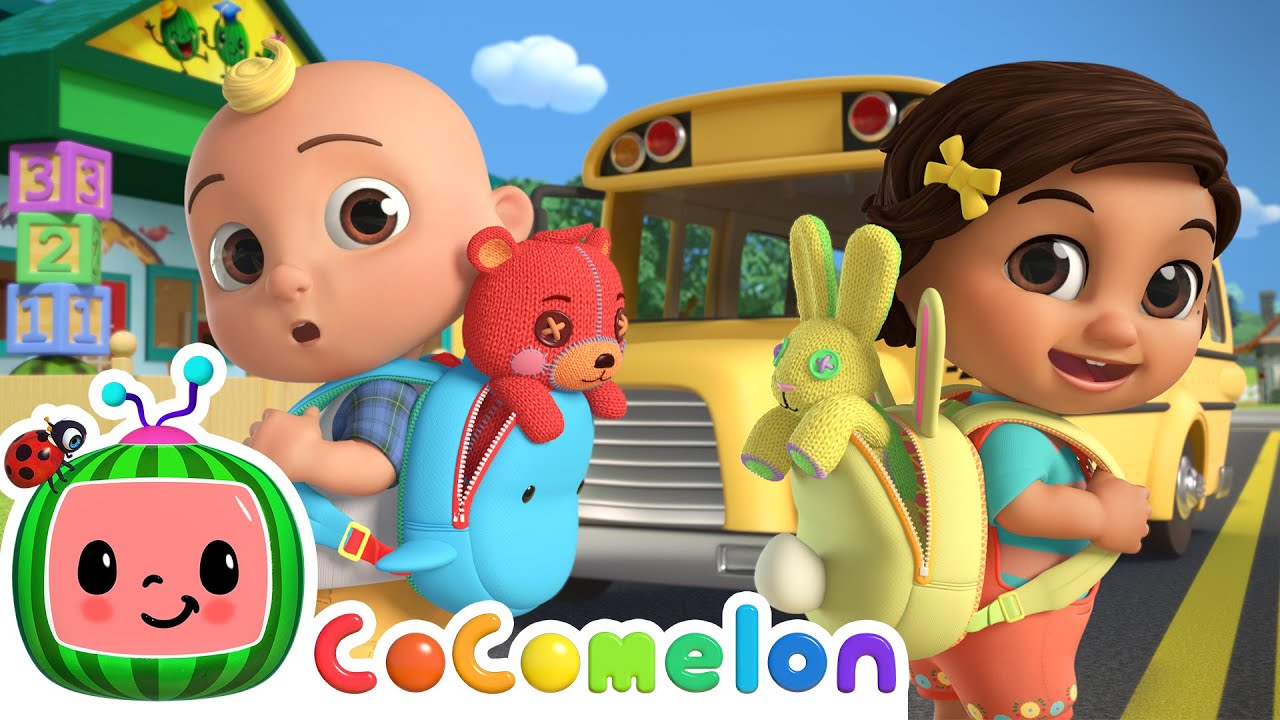
Caregivers frequently wrestle with selecting children’s programming that delivers meaningful developmental advantages rather than mere distraction. The musical animated series CoComelon has drawn considerable examination from researchers and families investigating how structured educational content can facilitate early childhood growth through deliberate learning methodologies.
The educational framework underlying CoComelon sets it apart from traditional children’s entertainment through systematic collaboration with child development professionals. This partnership ensures content development corresponds with established developmental benchmarks across different age ranges, transforming musical programming into targeted educational instruments that address specific learning requirements.
Richard Hickey from Moonbug Entertainment describes how the series builds upon established educational principles that teachers and families have utilized successfully for generations. CoComelon employs music, repetition, and narrative techniques that have proven effective in supporting child learning processes. This intentional structure means every musical element serves designated educational functions rather than providing arbitrary entertainment value.
The series targets essential developmental domains through character-based storytelling. Social-emotional education receives significant focus as children observe JJ and companion characters navigating daily emotional scenarios, interpersonal difficulties, and family relationships. These narratives provide children with accessible examples for understanding their personal emotional experiences and developing appropriate response strategies.
Research published in Child Dev demonstrates that stimulating parenting approaches and enriched home environments can support sustained positive development, potentially including thoughtfully chosen media content that reinforces learning goals. When caregivers actively engage with children about CoComelon scenarios, these discussions generate important opportunities for emotional intelligence advancement and enhanced social understanding.
The practical applications of CoComelon become particularly apparent through its routine-centered approach. Daily activities that commonly create family tension are reimagined as musical learning experiences, converting potential stress points into cooperative moments. The extraordinary viewing statistics for routine-focused content demonstrate their genuine effectiveness in family settings.
Hygiene routines receive musical reinforcement through “The Bath Song,” which has accumulated nearly 7 billion views as families integrate its structure into daily cleansing activities. This method transforms potentially resistant experiences into welcomed musical interactions that children connect with enjoyment rather than opposition.
Sleep transitions benefit from “Yes Yes Bedtime Song,” gathering over 1.7 billion views as parents employ its calming, consistent format to indicate rest periods. The musical signals help children mentally adjust to sleep preparation, easing the frequently challenging shift from active engagement to nighttime quietude.
Nutritional obstacles receive attention through “Yes Yes Vegetables,” which has collected more than 3.3 billion views by establishing positive connections with nutritious consumption. This musical strategy eliminates dining conflicts while promoting healthy selections through engaging interaction rather than coercive tactics.
Language development gains from CoComelon’s repetitive musical framework, which establishes favorable conditions for vocabulary enhancement and linguistic pattern recognition. The show’s structure utilizes documented research indicating how rhythm and repetition support early language acquisition during critical developmental periods.
Effective implementation requires thoughtful consideration of age-appropriate content selection. CoComelon encompasses developmental phases from fundamental nursery rhymes appropriate for infants through more sophisticated narratives created for preschool-aged children, enabling families to choose content matching their child’s present developmental status.
The American Academy of Pediatrics suggests limiting screen exposure for children ages 2-5 to one hour daily of quality programming, preferably experienced with parental participation. This recommendation supports the balanced methodology promoted by child development specialists collaborating with CoComelon, highlighting that media consumption should enhance rather than replace physical activity, social interaction, and sufficient rest.
Quality programming also delivers valuable assistance to caregivers managing early childhood responsibilities. Current statistics indicate 41% of parents experience daily stress levels that substantially affect their functioning, demonstrating the considerable challenges contemporary families encounter.
CoComelon acknowledges these realities by providing practical support through accessible musical resources that help families manage routine difficulties. This assistance recognizes that parenting involves complex obligations that benefit from supportive tools rather than additional criticism or expectations.
The series operates most effectively as part of a comprehensive developmental strategy. When incorporated thoughtfully into balanced routines and combined with active parental engagement, educational programming contributes meaningfully to early childhood learning while promoting family wellbeing.
Rather than categorizing children’s media through simple beneficial or detrimental classifications, parents achieve better results by understanding these resources as elements of broader developmental approaches. Quality programming delivers distinct advantages in routine establishment, emotional skill development, and language enhancement that complement essential human connection, physical activity, and varied learning experiences.

Comments are closed.